
Building Materials
Engineered Wood Flooring
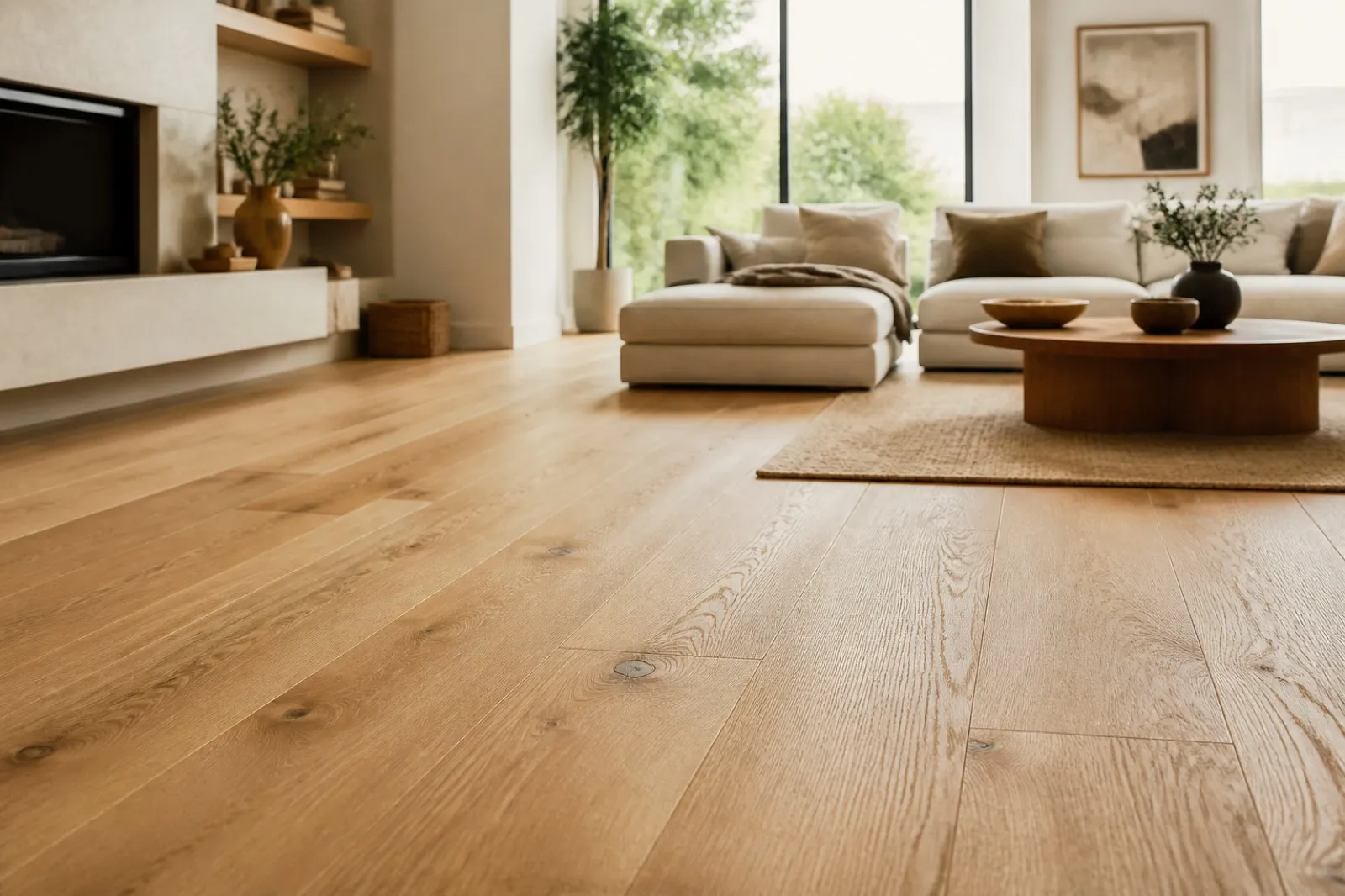
A real hardwood veneer bonded to a multi-ply plywood core: the warmth and authenticity of solid wood, but far more stable. Custom wide-plank floors where you choose the wood, width, grade, texture and finish. OCALWA supplies at container scale, direct from verified factories.
What is engineered wood flooring?
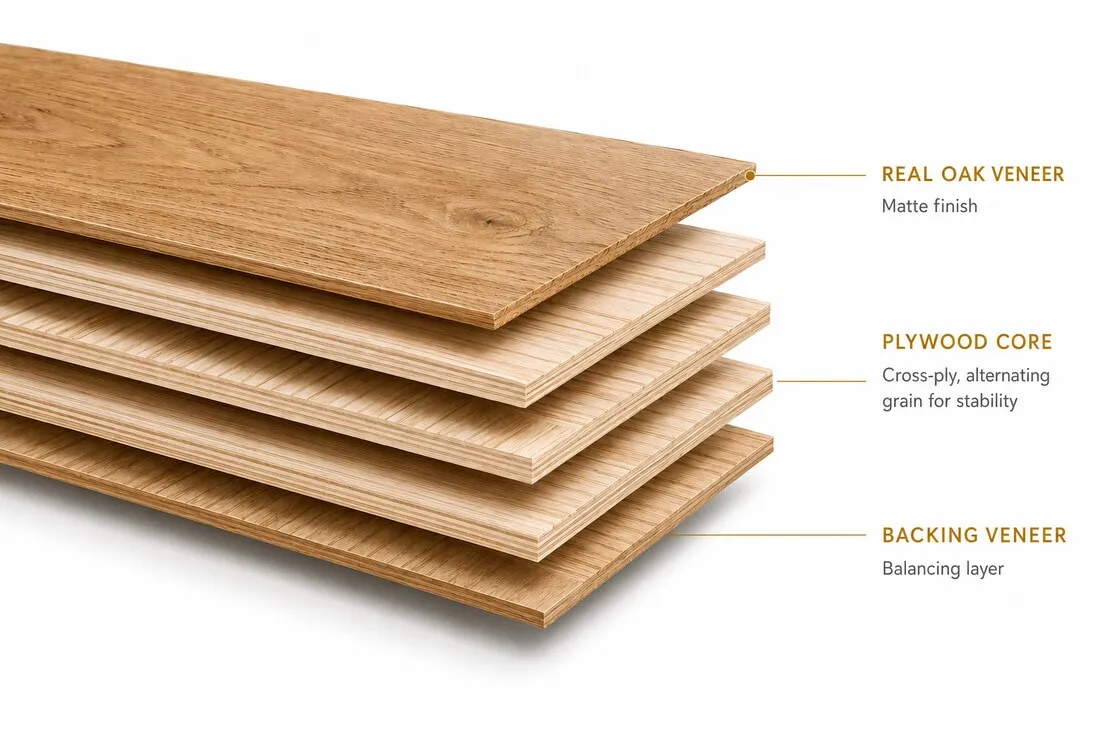
Engineered wood is built in layers: a top layer of genuine hardwood veneer, sanded and finished exactly like solid wood, over a core of cross-laminated plywood. Because the plies run in alternating directions, the plank resists the expansion, warping and bending that affect solid timber.
This makes engineered wood suitable for more of the home and more subfloor systems, and it can be installed at, above or below grade. You get the look and feel of a real timber floor with better dimensional stability.
Design your floor
Specifications
| Size | 1216 × 191 mm (custom widths & lengths available) |
|---|---|
| Thickness | 12 / 15 mm |
| Structure | Hardwood veneer top + multi-ply plywood core |
| Surface | Real wood veneer · modern & rustic |
| Wood types | Hardwood · Pine · Reclaimed |
| Grades | A · AB · ABC · ABCD |
| Width range | 5" - 10" (customizable) |
| Certification | CE · ISO · SGS |
| Application | Indoor residential & commercial |
Colours & designs
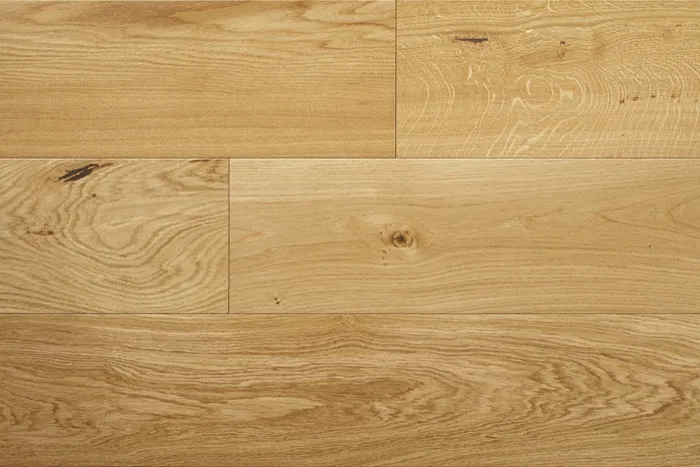
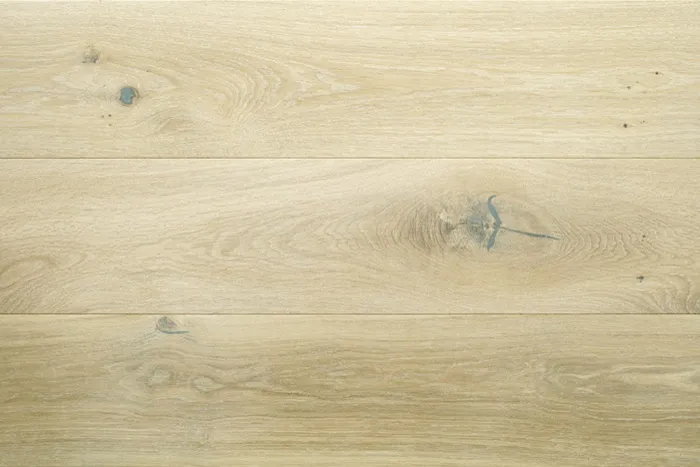
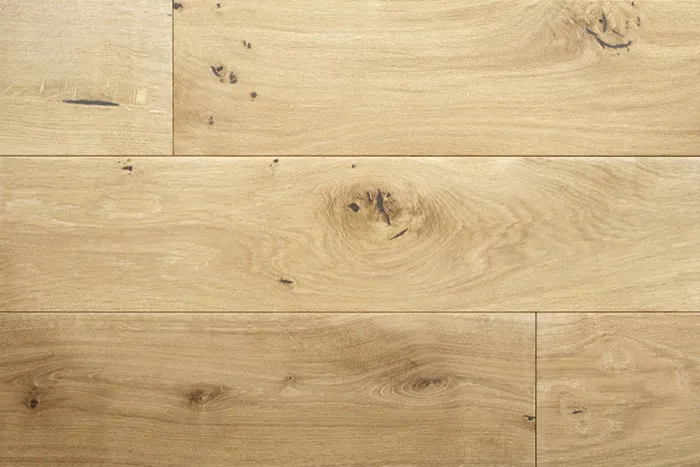
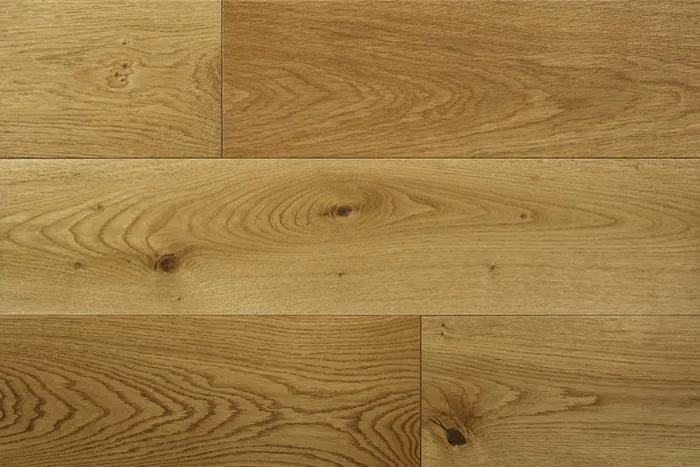
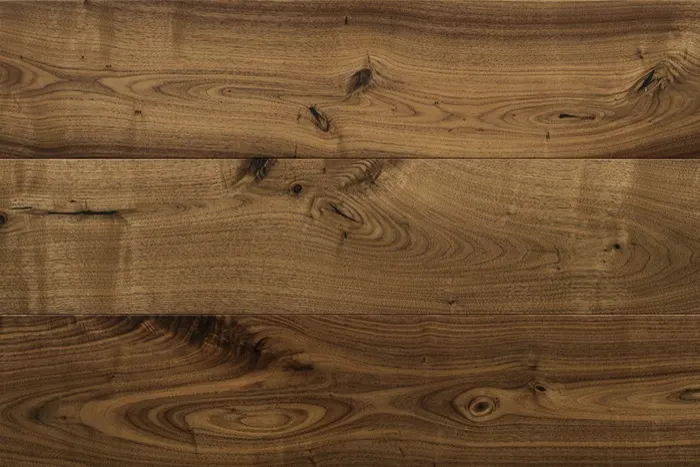
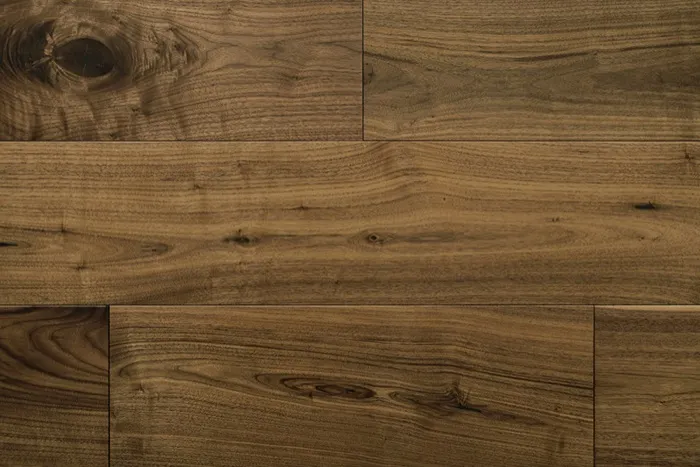
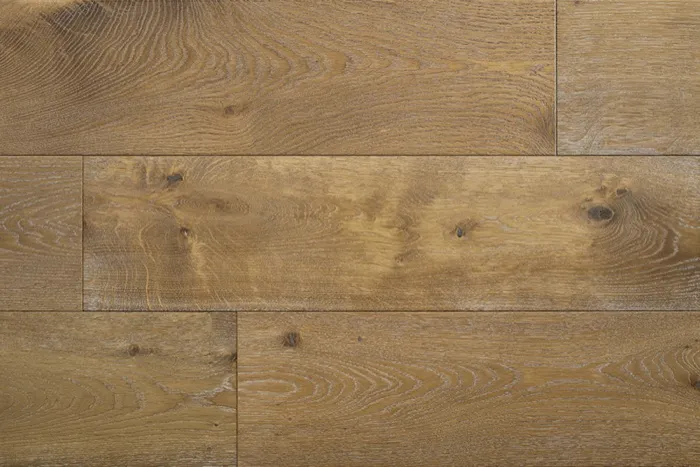
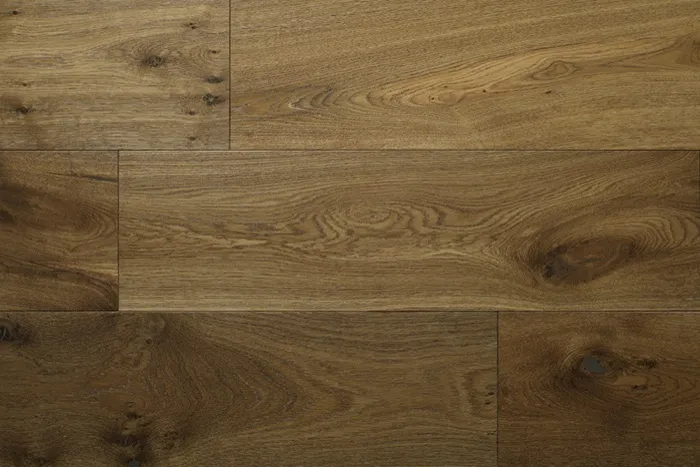
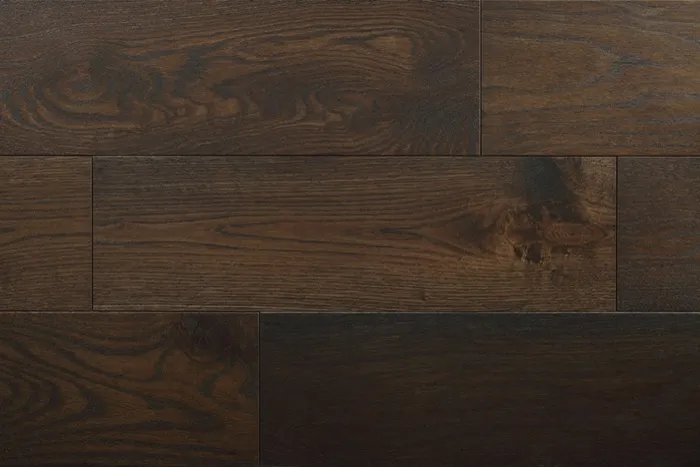
A selection of signature looks below. Any wood species, grade, width, texture and colour can be made to order.
Why choose engineered wood
More stable than solid wood
The cross-laminated core resists the warping and bending that affect solid timber with changes in humidity and temperature.
Real hardwood surface
The top layer is genuine wood, so the floor looks, feels and can be refinished like solid timber.
Fully customizable
Choose the wood species, plank width, grade, surface texture, colour and finish to fit your project.
Grades A to ABCD
From clean, uniform A grade to characterful ABCD grade with more knots and colour variation, choose the look that fits your style.
Wide planks, 5" to 10"
Uniform single-width or randomly sized wide planks give a contemporary, spacious look for residential and commercial projects.
Certified quality
Manufactured to CE, ISO and SGS standards, with export documentation and quality control managed by OCALWA.
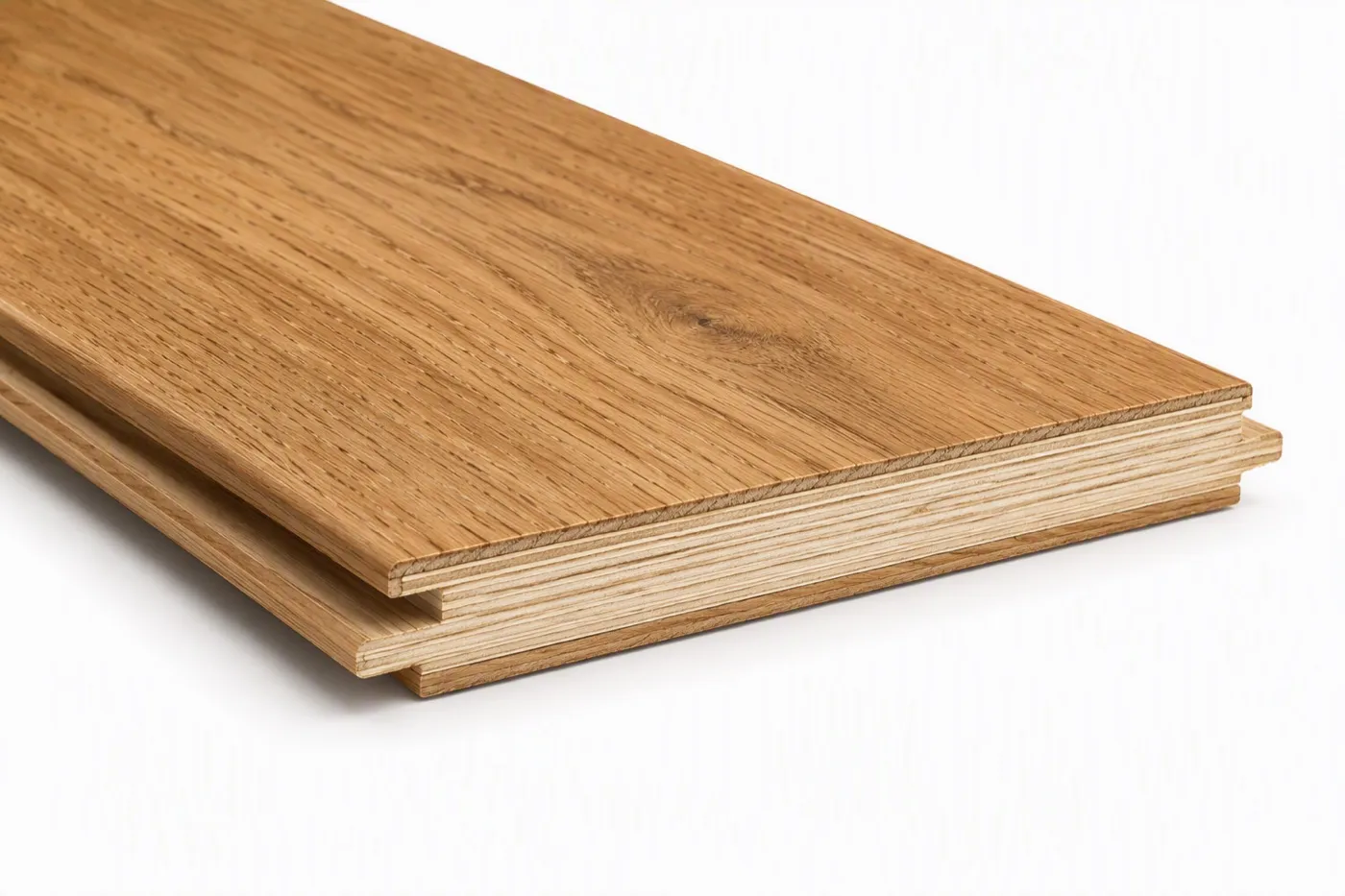
How engineered wood is built and installs
- Real oak veneer top · A genuine hardwood wear surface, sanded and finished exactly like solid wood.
- Multi-ply plywood core · Cross-laminated plies give dimensional stability that resists warping and bending.
- Backing veneer · A balancing layer that keeps the plank flat and stable.
Tongue-and-groove profile · glue-down or nail-down · suitable at, above or below grade.
Ready to import at container scale?
Engineered wood · frequently asked questions
Yes. The top wear layer is a genuine hardwood veneer, so the floor looks and feels like solid wood. It sits over a stable plywood core.
It has the same real-wood surface, but the cross-laminated core makes it far more stable, so it resists warping and can be installed in more places, including below grade.
Wood species (hardwood, pine or reclaimed), plank width from 5" to 10", grade (A to ABCD), surface texture, and colour, stain and finish. Sizes and wear layer can also be specified.
Throughout indoor residential and commercial spaces, on a variety of subfloors, and at, above or below grade. It installs with a tongue-and-groove profile, glued or nailed.
Yes. We build your custom specification and ship full-container loads from verified factories, certified to CE, ISO and SGS, with export documentation and quality control managed by OCALWA.
Yes, as long as the top hardwood veneer is thick enough. A 0.6 mm veneer is not made to be sanded, while a 2 to 3 mm veneer can usually be refinished one to three times over its life · so the floor can be restored rather than replaced.
The genuine hardwood top layer typically runs from 0.6 mm up to 3 mm or more. A thicker veneer looks and feels closer to solid wood and allows more refinishing, while a thinner veneer is more economical for lighter-traffic projects. We match the veneer thickness to your budget and use.
Yes. The cross-laminated plywood core makes engineered wood far more stable than solid timber under heat, so it suits water or electric underfloor heating. Keep the surface below about 27°C and raise the temperature gradually. A glue-down installation transfers heat best.
Grades describe how much natural character the veneer shows, not its strength. Grade A (Select) is the cleanest and most uniform, with few knots and even colour. AB and ABC allow progressively more knots, colour variation and grain movement for a more rustic, natural look · and a lower price. We supply any grade you specify.
Three methods suit different projects. Floating with a click or tongue-and-groove joint over an underlay is fast and clean. Glue-down bonds each plank to the subfloor for a solid feel and best heat transfer. Nail or staple-down fixes the boards to a wood subfloor. We can advise the right method for the subfloor and climate.
It handles humidity far better than solid wood, because the cross-layered core resists the swelling and cupping that moisture causes. It is still real wood, so it is not for standing water · but with normal indoor humidity control it performs well in tropical and coastal projects. For permanently wet areas we would recommend SPC instead.